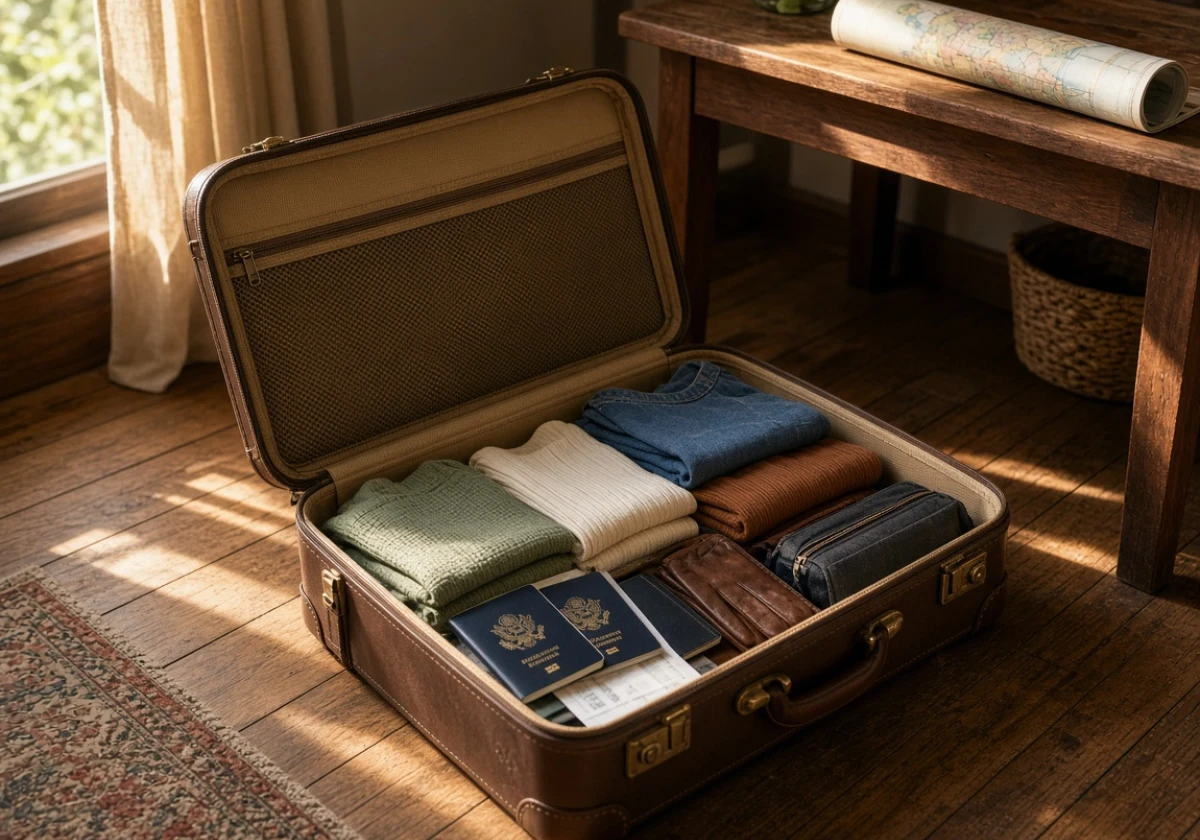
Planning what to take when moving overseas helps you control shipping costs and avoid customs delays. Since shipping companies charge for the space you book, every box affects your total cost, even if the container isn’t full. You also need to declare your belongings correctly to prevent delays at customs.
However, many people leave sorting until the last two weeks before moving. This leaves little time to decide what to ship, sell, or leave behind. As a result, they may pay for space they don’t need or overlook important customs requirements.
At Runaway Squirrels, we know how easily small packing decisions can affect your moving budget. This guide covers how to sort your home room by room, which freight option suits your timeline, and what to ask a removalist. You’ll also see which documents customs officers want ready.
Overseas Moving Starts With Sorting Your Belongings

Shipping belongings you never unpack again is the easiest money to lose on a move. Many moving abroad tips start with a clear-out because shipment volume is one of the main factors affecting international moving costs.
Work through these three steps before you book.
What to Sell, Donate, or Give Away Early
Start with heavy items that are cheap to replace, such as flat-pack furniture, old mattresses, and small appliances. Shipping these items overseas can cost more than buying them again after you move, so selling or donating them before you leave can help reduce your shipping costs.
You can sell unwanted belongings on Gumtree or donate them to op shops around the Gold Coast. Give yourself enough time to find buyers so you don’t have to accept low offers just to clear everything quickly.
Once you’ve decided what to keep, check the voltage requirements of any electrical appliances you plan to ship. Some may not work in your destination country without a suitable adapter or converter. Checking the labels before packing helps you avoid paying to ship appliances you can’t use.
When Secure Storage Makes More Sense Than Shipping
Storage is a practical option for belongings you want to keep but can’t take overseas yet, such as tools, a car project you’re still working on, or furniture you’ll use again later. Keeping these items in storage can be cheaper than shipping them overseas and bringing them back when you return.
This can be especially useful for families moving abroad for a two-year work placement, including defence postings and mining contracts. Rather than paying to ship everything twice, they can leave larger belongings in storage until they need them again.
Arranging storage early also makes packing easier because you already know which items are staying behind. Ask your removalist if they offer storage services or work with a storage facility to find an option that suits your move.
Building a Simple Inventory Room by Room
A spreadsheet helps you track what you’re taking overseas, putting into storage, or leaving behind. It also gives your removalist the details needed to prepare an accurate quote. When making your list, pay special attention to the garage, where tools, equipment, and other belongings are easy to overlook.
After you’ve listed everything, use the same spreadsheet to prepare your customs inventory. Write each item in plain English so customs officials can understand what’s included, rather than using household shorthand.
Before the packers wrap fragile items, take photos of their condition. If anything arrives damaged, these photos can help support your transit insurance claim by showing what the items looked like before shipping.
Should You Choose Sea or Air Freight for International Shipping?
With your list trimmed, the next call is how your goods travel. Sea freight suits most overseas moves because moving belongings by ship costs far less per cubic metre, while air freight suits urgent or small shipments. Weigh them side by side below.
| Factor | Sea freight | Air freight |
|---|---|---|
| Cost | Lowest per cubic metre | Several times higher |
| Transit time | Weeks, by route | Days |
| Best suited to | Full households, furniture | Clothes, documents, urgent items |
Many families send the bulk by sea and fly one box of essentials ahead. Splitting the load that way keeps overseas moving costs down while the things you need first land when you do.

International Moving Companies: Finding One You Can Trust
Once the freight’s settled, attention shifts to who handles it. Good removalists take most of the stress out of an international relocation.
The best international moving services bundle packing, shipping and customs clearance into one plan, while additional services like vehicle shipping sit outside the base price. Two checks tell you whether a moving quote deserves your trust.
Questions to Ask Before You Accept a Quote
Before comparing quotes, check exactly what each price includes. Some removalists offer door-to-door service, while others only deliver your belongings to the destination port, leaving you to arrange the final delivery yourself.
Next, ask who will pack your belongings and which materials they provide. Professional packing can help prepare your goods for biosecurity inspections and reduce the risk of delays. It also helps you understand what you’re paying for when comparing different services.
You should also check the transit insurance, especially what it excludes. For example, some policies limit coverage for self-packed boxes, especially when damage results from inadequate packing. Since international moving costs can vary widely, get written quotes from three international removalists and compare the services, packing, and insurance included in each one.
How to Check Credentials and Reviews of International Removalists
Before choosing an international removalist, check their industry accreditation to see if they meet recognised standards. FIDI, for example, offers FAIM accreditation, which involves independent audits of moving companies’ operations, finances, and staff training.
The International Association of Movers also maintains a directory of international moving companies. However, membership alone doesn’t confirm an independent audit, so check each company’s specific credentials.
After checking the company’s credentials, read its Google reviews to see what customers say about delivery times and how the team handles delays.
Pay attention to feedback about the actual move, rather than the sales process. A reliable removalist should also answer your questions in writing, which gives you a record of what they’ve agreed to provide. Before paying a deposit, verify the company’s Australian Business Number (ABN) through ABN Lookup.
Customs Clearance Goes Smoothly When You Plan Your Paperwork Early
With your removalist booked, customs paperwork is the next job on your moving checklist. Customs regulations differ by country. Your removalist or customs agent may handle the paperwork, but you’ll still need to provide accurate details.
- Packing Inventory List: Many customs authorities require a detailed list of your belongings. Clear descriptions help them assess the shipment and reduce requests for further information.
- Visa and Passport Copies: Some countries such as Australia, New Zealand, and the UK may require proof of your visa or residency status before releasing your household goods. Send copies of your passport and visa to your removalist well before shipping.
- Quarantine Declaration: Clean anything that’s touched soil, including bikes, boots and camping gear. New Zealand and Australia both inspect used outdoor items closely.
Sort these three before packing day, and clearance usually takes care of itself. If you’re moving to Australia, check the Australian Border Force rules before shipping, as customs duty and tax may apply to unaccompanied household goods. Eligibility for relief can depend on factors such as how long you’ve owned and used the items.

Make Your Move Overseas Without the Stress
A smooth international move comes down to decisions you make months before the truck arrives. Sort early, ship less, and everything after that will get simpler.
Start your inventory this weekend, room by room, while there’s still time to sell what you don’t need. Then book your removalist early enough to choose your sailing.
Runaway Squirrels shares practical guidance on moving overseas and planning a relocation. Explore our resources for help preparing your next move.