
The things you need to organise before moving overseas with pets from Australia depend on the country you’re visiting. Your dog might need an import permit and quarantine booking for one destination, while another country may let you enter without either.
But there are some steps you’ll need to take regardless of where you’re going. This guide breaks down what they are, when to organise them and how the requirements change between popular destinations.
What to Organise Before Flying Your Pet Out of Australia

Before booking your pet’s flight, check your destination country’s entry requirements and find out which preparations apply. You’ll also need to meet Australia’s export requirements before your pet can leave. The steps below explain what to organise and when.
Check Your Pet’s Microchip Before Anything Else
Many countries require dogs and cats to have a microchip before they can enter. It gives authorities a way to identify your pet and match it to the vaccination records and travel documents. You can check whether your destination requires one through Australia’s Department of Agriculture’s importing country requirements.
If you’re wondering whether your pet already has one, think back to its first vet visits. Your vet may have implanted a microchip during an early check-up. If so, ask them to scan it and confirm that it meets your destination’s requirements. Otherwise, you’ll need to arrange one before moving ahead with the other preparations.
The microchip also needs to meet the destination’s technical standards. Many countries specify an ISO-compatible chip, so ask your vet to check yours before arranging vaccinations or blood tests.
Arrange a Rabies Titre Test If Your Destination Requires One
We often hear travellers ask, “Why does my pet need a rabies test? Isn’t Australia rabies-free?” Yes, it is. But the same doesn’t apply to every country your pet might visit. Take India, for example. It’s responsible for around 35% of rabies deaths worldwide, according to the World Health Organization (WHO). So, it’s only natural to get your pet tested for rabies before visiting India or any other country where the disease is present.
Don’t worry, the test itself is pretty simple. Your vet collects a small blood sample and sends it to an approved laboratory for testing. It takes about 1–2 weeks for the results to arrive, although the exact timeline varies depending on the laboratory.
Apply for the Destination Country’s Import Permit
When you’re planning to fly your pet overseas, an import permit is one of the first things to check. Some countries won’t let your pet enter without one.
Singapore and Hong Kong, for example, both require pet owners to obtain an import permit before bringing their animals into the country. And Singapore has an extra step. You’ll need a separate pet licence before you can apply for the import licence.
But not every country requires an import permit. The United States, for instance, doesn’t require an import permit for dogs arriving from rabies-free or low-risk countries such as Australia. There’s still some paperwork, though. You’ll need a CDC Dog Import Form receipt, which you must show to the airline before boarding.
So, even if your destination doesn’t require an import permit, there’s still some preparation involved. Check the country’s official pet import rules before booking your flight, and give yourself enough time to arrange any permits, licences or other required documents.
Get the Export Permit and Health Certificate Signed Off
Getting your destination country’s paperwork in order is only part of the preparation. Before your pet can leave Australia, you’ll need to complete a few export formalities with the Department of Agriculture, Fisheries and Forestry (DAFF).
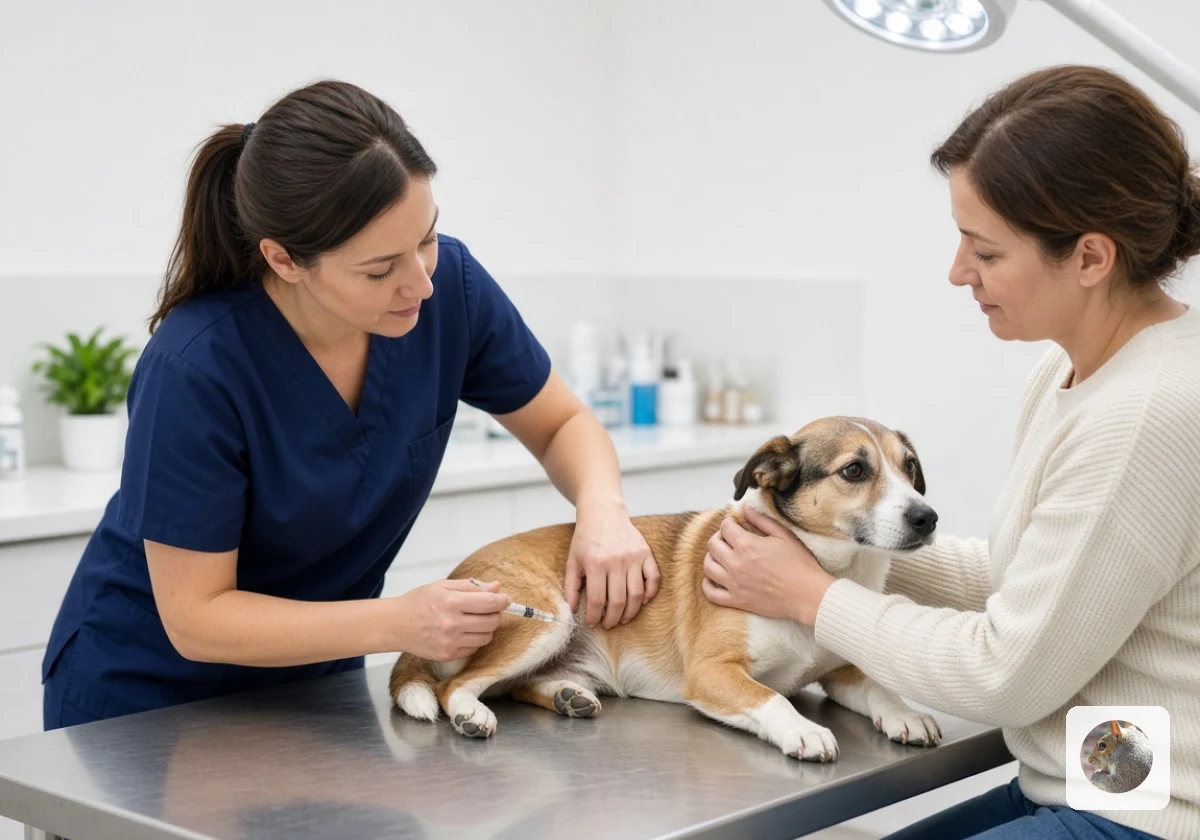
First, you’ll need to lodge a notice of intention to export. You’ll then need an export permit and a health certificate signed by a government vet. Your own accredited vet can help prepare the certificate using the template required by your destination country.
And before the documents are submitted, check that all your pet’s details are correct. Pay particular attention to dates and identification numbers, as even a small mismatch can hold up the approval process.
Also, give yourself plenty of time to get everything signed off before your flight. Once you have the endorsed documents, keep the originals with your pet’s other travel paperwork so you can present them when needed.
Book the Final Vet Checks and Treatments
You’ve booked the flight, sorted out the paperwork and started getting your pet ready for the move. But there’s one more thing to watch: some countries only accept parasite treatments given within a specific number of days before arrival. New Zealand, for example, requires dogs to receive Angiostrongylus vasorum treatment within five days of shipment, under its Import Health Standard: Cats and Dogs.
So, don’t leave all the treatments until your next routine vet visit. If you treat your pet too early, you might have to repeat the treatment closer to departure. Ask your vet to help schedule the final checks and treatments around your travel date.
And what if the airline changes your flight at the last minute? Check whether a delay of a day or two would put any treatment outside the required window. That way, you won’t be caught arranging another vet visit just before travelling.
How Far Ahead Should You Plan Your Pet’s International Travel?
The time needed for international pet relocation depends largely on your destination’s entry rules and waiting periods. Some countries require waiting periods after vaccinations, while others set deadlines for parasite treatments or require import permits.
Let’s look at what to check before settling on your departure date.
Flying Your Pet to the United Kingdom
The UK requires pets receiving their first rabies vaccination to wait at least 21 days before travelling. Your pet must also be microchipped before receiving the vaccination.
If your pet hasn’t had a valid rabies vaccination yet, allow enough time for both steps before choosing a flight. Otherwise, you may have to postpone your plans until the waiting period is over.
Flying Your Pet to the European Union
The EU also requires a 21-day wait after a pet’s primary rabies vaccination. The microchip must be implanted before the vaccination, and your pet must meet the other entry requirements.
Check the EU’s pet travel rules before making travel arrangements. This is particularly important if your pet needs its first rabies vaccination, as the waiting period will affect your earliest possible departure date.
Flying Your Pet to the United States
The United States has a minimum age requirement for dogs arriving from Australia. Your dog must be at least six months old when it arrives, regardless of whether its vaccinations and travel documents are ready.
If you’re planning to relocate with a puppy, this restriction can affect your moving date. You’ll need to wait until your dog reaches six months of age before arranging its journey.

Arrange Pet Transport and Prepare for Your Pet’s Flight
Once you’ve checked your destination’s entry requirements and worked out your timeline, you can start arranging the journey itself. You’ll need to decide how to transport your pet, which airline to use and what your pet needs for the flight. Two things deserve particular attention: choosing a pet transport service and getting the right travel crate.
Decide Whether to Use a Pet Transport Company
You’ll need to arrange your pet’s cargo booking, meet the airline’s requirements and organise the handover at both airports. A pet transport company can take care of these arrangements for you, including coordinating the required travel documents and arrival procedures.
You don’t necessarily have to use one, though. Some pet owners arrange their animals’ flights directly with airlines, while others prefer professional help, particularly when the destination has complicated import requirements.
If you do decide to use a pet transport company, ask whether it has experience handling relocations to your destination. Find out what’s included in its quote, too. Does it cover the cargo booking, export documentation, airport drop-off and arrival arrangements, or will you need to organise some of these separately? These questions will help you decide whether they’re suitable or not.
Choose an Airline-Approved Travel Crate
Don’t buy a travel crate just yet. First, check your airline’s requirements for crate construction, ventilation and size. Most airlines have specific rules, and not every pet carrier will meet them.
Once you know what the airline accepts, measure your pet to determine the crate size you’ll need. Your pet should be able to stand naturally, turn around and lie down comfortably inside it.
Flat-faced breeds, such as pugs and Persian cats, need extra consideration. They can have breathing difficulties during air travel, and some airlines restrict or refuse to carry them. Check your airline’s breed policy before booking. The RSPCA’s policy on transporting animals by air or sea advises against flying flat-faced animals unless it’s strictly necessary.
After you’ve bought the right crate, give your pet time to get used to it before moving day. Leave it open at home, add familiar bedding and encourage your pet to explore it at its own pace. Gradually increase the time your pet spends inside, so the crate feels familiar before the airport journey.
Lock In the Paperwork, Then Book the Flight
And there you have it. Flying your pet overseas from Australia takes careful planning. But once you understand your destination’s requirements and have the paperwork in order, you can move ahead with greater confidence.
Still have questions about relocating your pet? Get in touch with Run Away Squirrels for practical guidance on relocating abroad with animals, kids and everything in between.