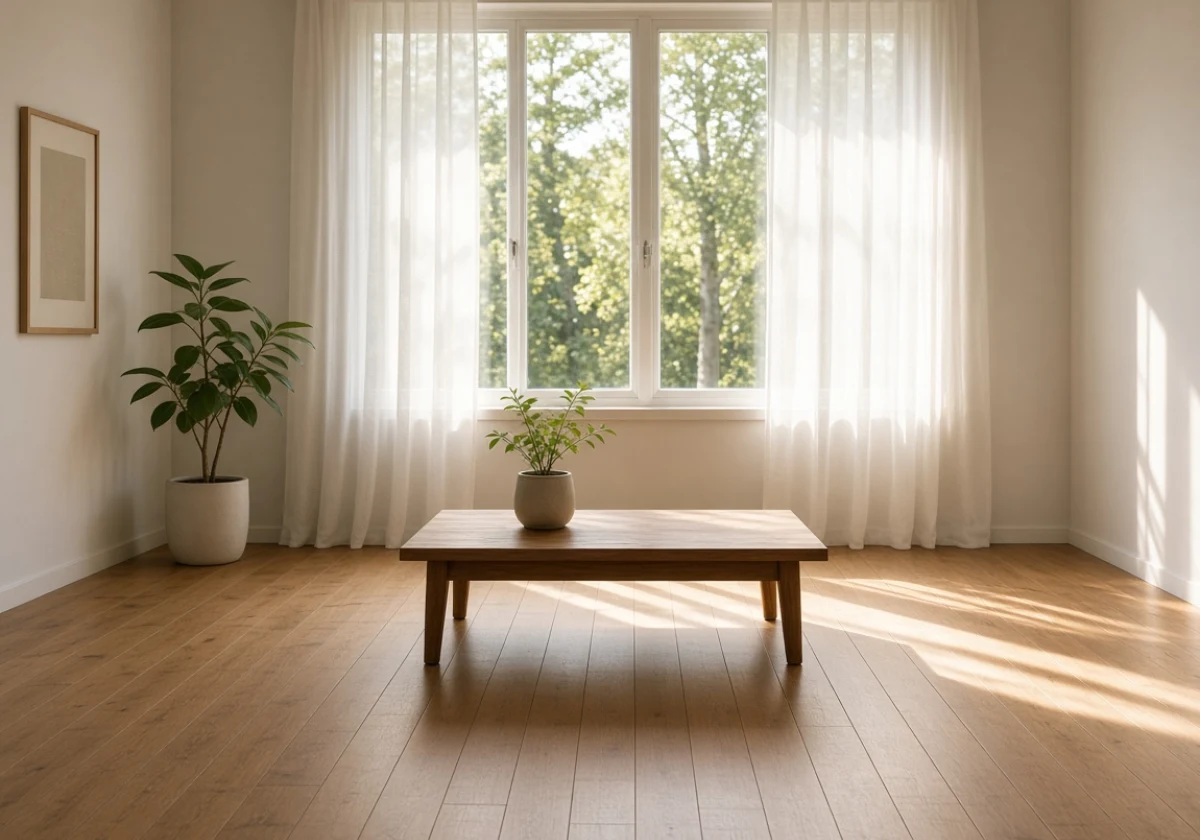
Your surroundings influence your everyday mindset by shaping your stress levels, sleep quality, focus and sense of calm. Walk into a bright, tidy room and your shoulders drop before you’ve worked out why.
Most of us treat the house as a backdrop to life, yet it acts on us all day. Runaway Squirrels sees your home environment as a set of conditions you can adjust. Once you see it that way, a bad week at home feels far easier to fix.
Clutter, light and air each change how you feel, often within minutes of walking through the door. A healthy home environment gives your family members better sleep, calmer evenings and fewer daily battles. Simple habits keep it that way, and starting in the right room gives you an early win.
Your Home Environment Shapes More of Your Mind Than You Realise

Work often gets the blame for a bad mood, but the state of your house plays a part too. You take in the indoor environment constantly. Your brain checks for order, light and air before you even notice. Clutter, daylight and the way children use a room do most of that work, so let’s look at each one.
How Clutter Raises Your Stress Levels
Clutter raises stress because every stray pile reads as an unfinished task your eyes keep returning to. Half your attention stays on the washing on the chair while you try to read.
That low-level pull explains why clutter sits so heavily on the mind for so many people. Benches and floors carry the most weight, since flat surfaces are what you scan first when you walk in.
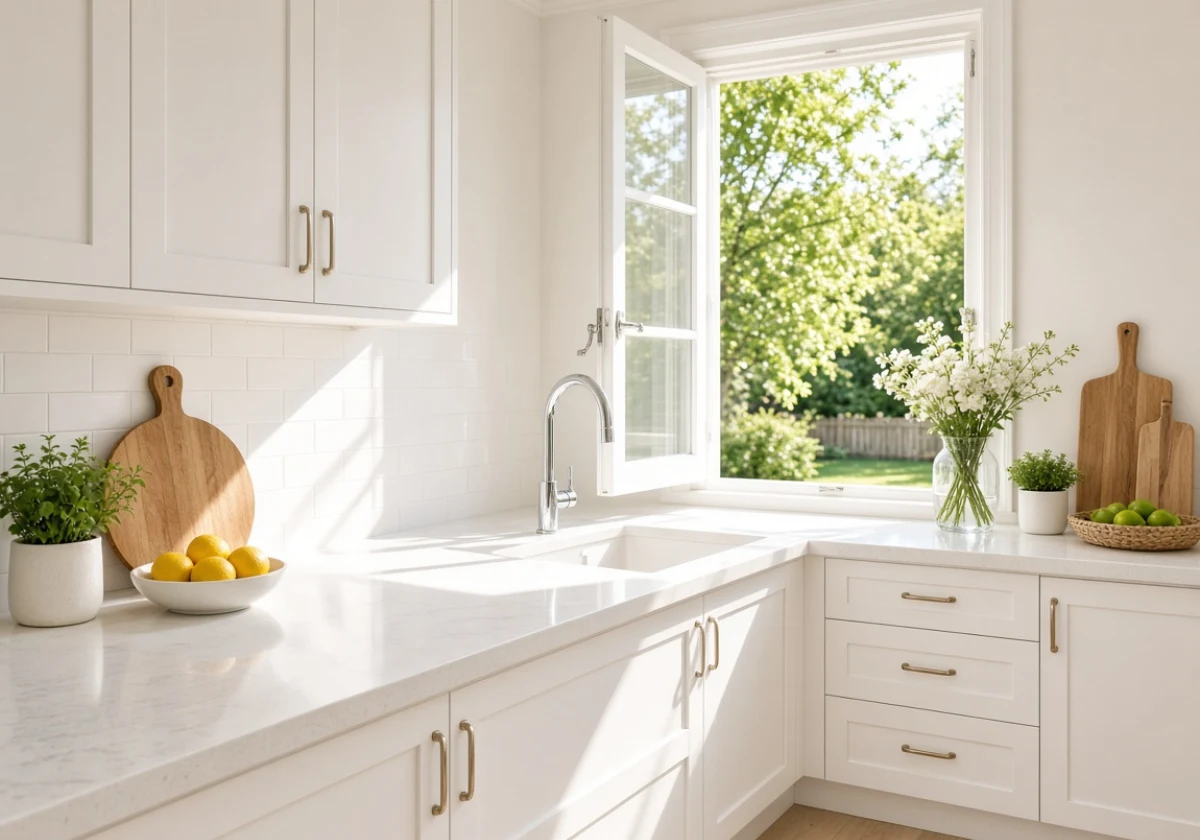
In our experience, kitchen benches are the first surface to fill up, so start there. Clear one bench tonight and you will have a visible win to repeat tomorrow. Wins you can see help reduce stress faster than tidy cupboards nobody opens (most people notice the kitchen feels calmer within minutes). Spending time in a clear kitchen also makes cooking dinner feel like less of a chore.
Natural Light, Sleep and the Mood Connection
Daylight sets your body clock, and your body clock sets your sleep. The Sleep Health Foundation on the body clock puts it plainly: the most important external signal for the biological clock is light.
That’s why bright morning light matters so much, since it tells your body clock when the day starts. This signal then helps you feel sleepy at the right time each night, and steadier sleep in turn improves your mood. To put that to work, open the curtains before you reach for your phone, and your body will start timing sleep more reliably.
If your main rooms get little daylight, move your morning routine to the brightest spot in the house. Put a chair by that window for your morning coffee. After sunset, switch to a warm lamp so your evenings stay dim and restful.
What Children Pick Up From the Space Around Them
Young children treat the living space around them as a guide to how life works. A calm room becomes a learning environment in its own right. It teaches a child that mess is manageable, while noise and permanent piles teach the opposite.
Family routines are easier to follow when the room supports them. Children tidy far more willingly when storage sits at their own height. A low shelf for toys and books will often do more than repeated reminders from you.
Anyone who’s tipped out a toy basket at bedtime knows how fast the mood turns. Clear floors also improve home safety while a toddler is still finding their feet.
Why Does a Healthy Home Support Better Everyday Wellbeing?
Clean air, steady light and a tidy layout lower daily stress, and that supports your everyday health and wellbeing. Damp air, poor lighting and constant mess make your body work harder. That effort comes straight out of your focus and patience.
Indoor air affects your comfort more than most people expect. CSIRO research on new Australian homes found that houses and apartments meeting recommended air-tightness levels are more comfortable and cheaper to run. These homes also had healthier indoor air quality, so energy efficiency and good air can work together. A well-sealed home still needs fresh air coming in, though.
That supply comes from proper ventilation, which rarely calls for a new ventilation system. Run the exhaust fans while you cook and after a shower to clear steam before mould takes hold. Likewise, when you use strong cleaning products, open a window, since their fumes linger in the home air (five minutes now beats a whole weekend of scrubbing).
Light and open floor space support your mental health in less obvious ways. Crossing a room without stepping over things leaves your mind with one less decision. After a long day, a clear and bright room gives you peace of mind the outside world rarely offers.
You don’t need to renovate or hire an interior design team to build a healthy environment at home. Home life improves through small changes repeated week after week. Over a few months, those changes create a healthier home for the whole family.
Creating Lifestyle Habits That Keep Positive Living on Track
Lifestyle habits keep your space calm without a full weekend reset. Positive living runs on a few repeatable moves rather than one big clean. Start with these three habits, since each one takes only a few minutes and fits into a normal day. They work in small homes and large ones alike.
- Ten-Minute Night Reset: Walk one lap of the house before bed and put stray items back. Most homes take about ten minutes once the habit sticks. Morning, you wake to clear benches instead of yesterday’s mess.
- One In, One Out: Every new item replaces something you no longer use. Wardrobes, toy boxes and kitchen drawers stop creeping past what they hold. You make the decision at the door, so a painful cull never builds up later.
- Air and Light First: Soon after you get up, crack a window in the main room for a few minutes. Fresh air clears overnight moisture from the house. The day then starts in a positive home rather than a stale one.
Pro Tip: Pick the habit that fits your worst hour of the day and run it for a fortnight. Once it holds without effort and feels like part of everyday living, add the next one.
Room by Room: Where Air Quality, Light and Space Help Your Family Most
With your habits in place, look at the rooms you use most. Each space has a quick first fix that pays back faster than a full makeover. The table below sets out where to begin and why it helps your family.
| Room | What to improve first | Why it helps |
|---|---|---|
| Bedroom | Morning light and dark nights | Steadies sleep and mood |
| Kitchen | Exhaust fan and clear benches | Cuts moisture, odours and visual noise |
| Living room | Floor space and soft lighting | Gives the family room to relax |
| Home office | Task lighting and tidy cords | Holds attention through the work day |
Start with the areas you use most, since the impact shows up fastest there. A peace lily suits most of these rooms because it copes with low light and needs little care. Keep it on a high shelf, as its leaves can irritate kids and pets if chewed.

Make Your Home a Place That Lifts You Every Day
Pick the room your family spends the most time in and make one change this week. Open the curtains each morning, clear one bench at night, or run the exhaust fan whenever you cook.
Give that change a fortnight before you add another. Small steps last because they’re easy to keep up, even in the weeks when life gets busy.
At Run Away Squirrels, we share practical home tips for families who want a calmer space. Get in touch with our team to talk through your rooms and choose the first change to make.