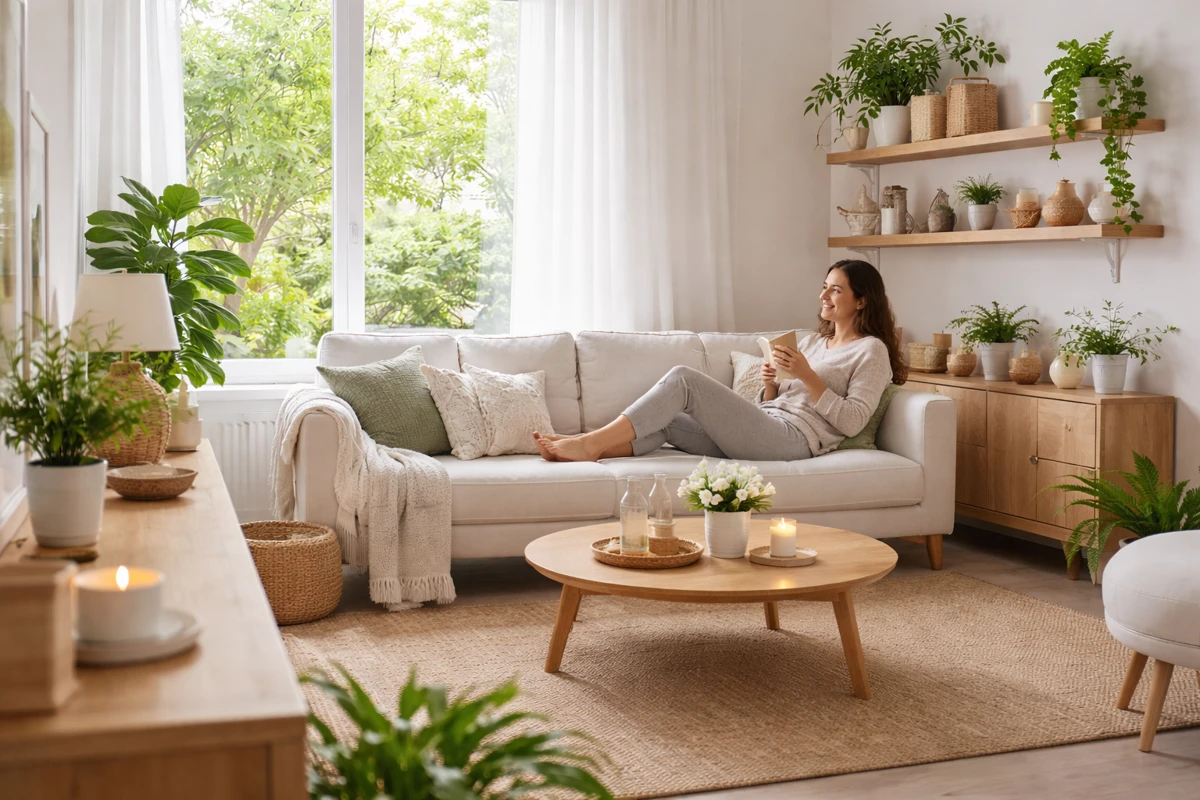
Most people assume they need better discipline or a different mindset for more efficiency in daily work. They push themselves with willpower without realizing that ignoring the furniture arrangement forces them into the same sedentary spot for eight hours straight.
In fact, a recent Stanford study found that your home environment affects work productivity by roughly 10% compared to office settings. That means the layout of your rooms, and the natural light coming through windows, all quietly influence the choices you make each day.
This article breaks down how specific rooms affect your energy levels and focus patterns. You’ll find out which small changes can influence your behaviour, how sensory elements can form your habits, and decluttering tips for a better indoor environment.
Let’s start with how your home affects your motivation.
What Makes Your Home Environment Important for Motivation?
Your home environment is important because it removes all the micro decision-making of your daily actions. It allows habits to run automatically instead of relying on willpower that fades by midday.
Here’s how that plays out in three ways you probably never noticed.
The Comfort Zone Effect in Familiar Spaces
Familiar environments reduce the mental energy needed for decisions. And that leaves capacity for more difficult tasks throughout the day. When your brain uses less effort processing known spaces, it directly affects how much motivation you have available for actual work.
Plus, the psychological safety of familiar spaces creates a base for building routines that last long. When your surroundings stay predictable, your brain spends less mental energy figuring out where things are or what comes next.
Room Layout Influences Physical Activity
Speaking from our experience, open floor plans encourage more movement between spaces compared to homes with multiple closed doors everywhere. For instance, staircase visibility increases usage by 8% versus stairs hidden behind walls or tucked in separate areas.
The way your furniture sits either creates natural walking paths throughout your day or forces you into inactive positions for hours. The smallest layout changes can add up to measurable differences in how much you move around your own house.
Time Spent at Home Changes Daily Habits
The average person spends around half of their waking hours at home. Which means domestic environments influence your habit formation and wellbeing patterns the most.
As an example, people who work remotely develop entirely different eating schedules based purely on kitchen proximity and how easily they can grab food throughout workdays. These home-based routines become stronger than workplace habits.
Does Your Morning Routine Start Before You Wake Up?
The environment you sleep in affects how fast you get out of bed and whether you reach for your phone or your running shoes. Interestingly, studies show that the first minutes after waking up determine productivity for the entire day (but most people don’t realise their bedroom setup controls those decisive minutes).
Take a look at how small changes to your bedroom carry through your entire daily routine.
Bedroom Setup and Waking up Easier
Your environment has a strong influence on how your day begins. Say, where you place your alarm clock can affect how you wake up (or just hit the snooze button).
Meanwhile, cluttered bedroom surfaces impacts your mental clarity before you even notice feeling overwhelmed. Clean sightlines from bed to door help your brain transition from sleep to waking faster.
Along with these, small habits like laying out your clothes the night before reduces the number of decisions you need to make in the morning. Even if it seems insignificant, it helps you save energy and start the day with more motivation.
Temperature Control for Better Sleep Quality
Bedrooms above 20-25°C disrupt deep sleep cycles, and leaves you groggy and unmotivated the following day. Adjustable heating or cooling the room 30 minutes before bed prepares your body for quality sleep.
Plus, consistent temperature throughout the night prevents sleep breaks that reduce next-day energy levels. This way, you can wake up with more natural motivation instead of forcing yourself through brain fog for hours.
Working From Home: The Space Nobody Talks About
Your work environment affects your focus, energy, and stress levels, especially when you’re setting up at home. When you get your workspace right, you automatically stop fighting afternoon slumps that make every task feel twice as hard as it should. And the good news is: it won’t set you back a fortune for a good setup.
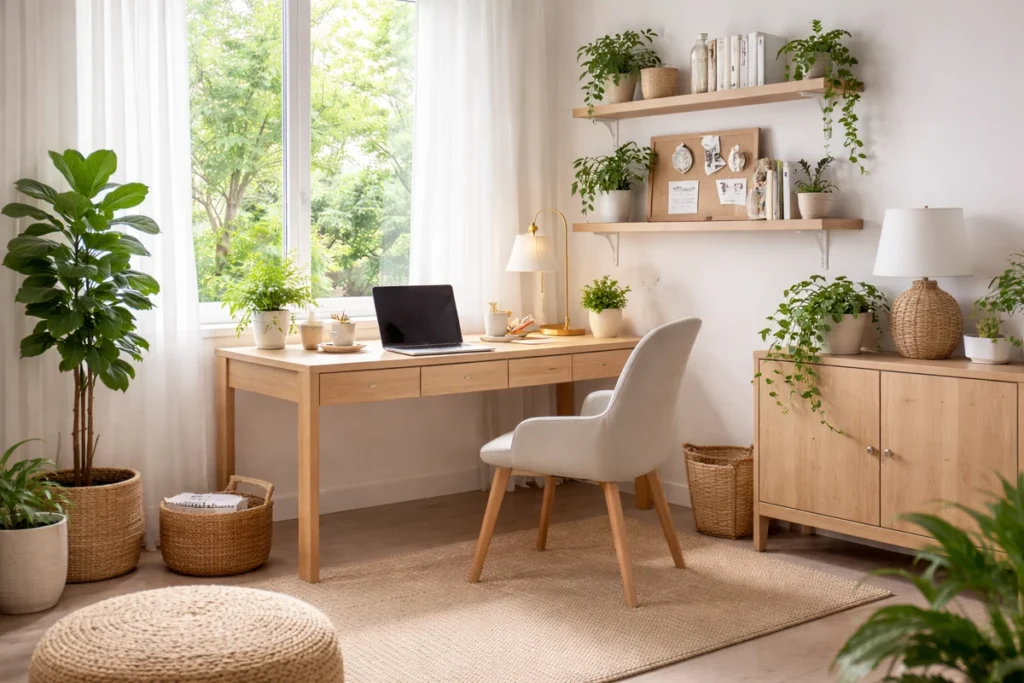
These factors can improve your productivity when you’re working from your house:
- Dedicated Work Corner: Even a tiny designated spot behind the couch can help your brain switch into work mode when you sit there. This physical separation between workspace and living space influences maintenance boundaries.
- Natural Light Benefits: Natural view and lighting can boost productivity by 15% compared to artificial lighting throughout the entire workday. From what we’ve observed in workspace consultations, the difference is most noticeable in afternoon hours when energy typically drops.
- Proper Desk Setup: Your chair height and desk arrangement can prevent energy crashes caused by poor posture compression. Getting it wrong means fighting physical discomfort on top of mental fatigue.
- Background Noise Levels: Some people work better with white noise or soft music, while complete silence can feel just as distracting as loud interruptions. But in general, keeping sound under 50 decibels improves concentration without feeling completely isolated.
- Plants within Eyeline: Even one small plant on your desk reduces fatigue by 38% and increases task completion rates measurably. Adding a plant creates a psychological benefit that holds your focus throughout work hours.
Even a small adjustment can make your workday feel lighter and more manageable. When your space reduces friction, focus increases more naturally.
Kitchen Design and the Eating Patterns You Form
Ever notice how you snack more on certain days without planning to? Your kitchen layout is probably making those decisions for you. The physical space where you prepare meals influences eating habits more than willpower or best intentions ever could.
Look at these patterns you may develop because of your kitchen design:
- Visible Fruit Bowls: Strange as it sounds, when produce catches your eye every time you walk past, your consumption increases compared to items hidden in crisper drawers. So if you need more vitamins, consider placing fruit bowls somewhere accessible.
- Counter Space Availability: The amount of clear counter space can determine your decision of prepping healthy meals or grabbing convenient packaged foods. It’s because when countertops are clutter-free, cooking feels easier and less time-consuming.
- Appliance Placement: A blender stored away in a cupboard gets used significantly less than the countertop versions. Even the extra 30 seconds to set it up becomes enough friction to skip making smoothies altogether.
- Kitchen Table Proximity: If your workspace sits too close to the kitchen table, it encourages mindless eating during work hours. Especially when stress levels climb, and you need a quick break.
Many people blame their lifestyle choices when the real issue lies in how their kitchen space is organised. They can even influence eating patterns that either support or work against your physical health goals.
Decluttering Tips That Don’t Reset Every Week
A lot of decluttering advice fails because it ignores how people really live at home. The methods that work long-term should match your behaviour patterns instead of some ideal version of how you think you should live.
Let’s look at two approaches that create lasting results.
The Five-Minute Pickup Method
A simple approach is to use a five-minute reset to return misplaced items to where they belong, without trying to organise everything at once. Doing this once a day at the same time (during morning coffee or as part of an evening wind-down) helps the habit become automatic and low-effort.
You can focus on visible surfaces like counters, tables, and floors. Usually, they bring quick, noticeable results, rather than digging into drawers or cupboards. The aim is to gently reset the space so clutter doesn’t build up over time and become overwhelming.
Storage Solutions That Match How You Live
From our experience reorganizing many expat homes during relocations, it’s clear that trying to fight your natural habits rarely works in the long run. Say, it helps to place bins and baskets exactly where you naturally drop things, rather than where they might “ideally” belong.
Matching these storage to your habits can save you time and energy than forcing a system that requires extra steps. The easier it is to put things away, the more likely it is to occur naturally without needing conscious effort or motivation.
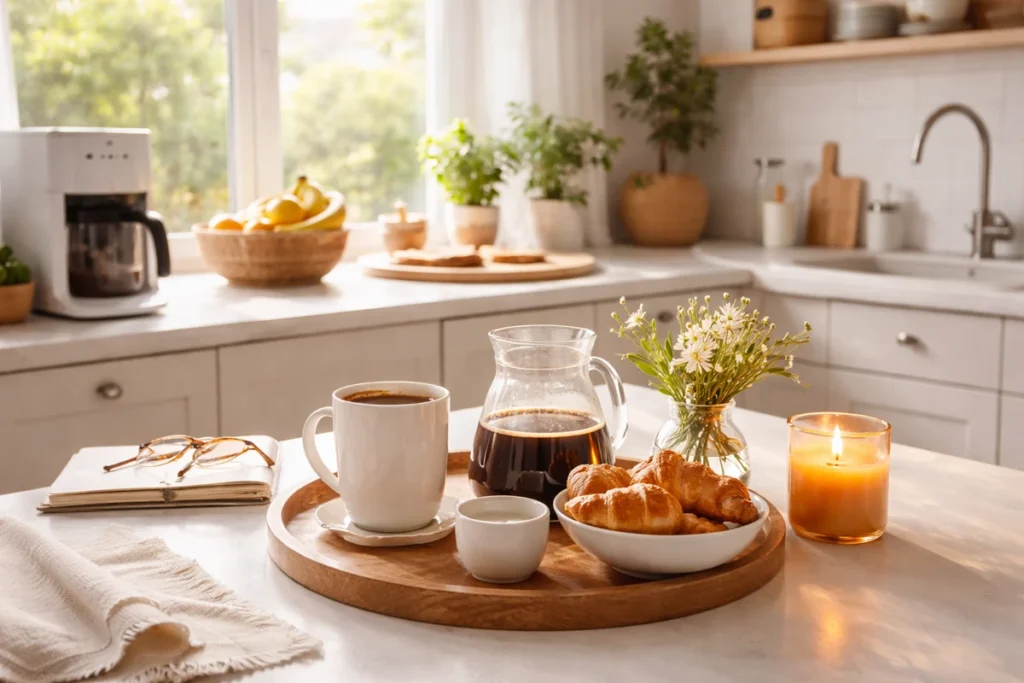
Colours, Sounds and Smells: The Sensory Side of Habit Formation
Most people don’t realise this, but the sensory environment in your home affects motivation and energy levels. These sensory elements work together to either support or sabotage your daily routines without you even noticing it.
Take a look at the three main elements that influence your habit formation.
Colour and Lighting
Your body responds to colour temperatures automatically, and they affect your heart rate and stress hormones. Here’s how different lights influence your energy levels:
- Blue-toned lighting increases alertness
- Warm yellows encourage relaxation
- If you need to reduce anxiety, use green lighting
- For increasing energy, red is the best option
These colours are habit formation tools that affect your well-being and motivation levels throughout the day.
Scent Associations
Consistent smells can create triggers for automatic behaviours and routines throughout your day. Like when coffee smell is paired with morning productivity, it becomes a signal that your brain recognises, and it jumpstarts focus even on low-energy days.
Similarly, calming scents like lavender can signal winding down and relaxation in the evening. So using familiar smells this way can make daily habits feel more natural and effortless.
Pick One Room and Start There
Your home environment creates more habits than motivation ever could. Its impact shows up in small daily decisions that compound over weeks and months. Especially when they become patterns you don’t even notice anymore.
Your goal shouldn’t be a perfect indoor from the get-go. Instead, begin with a better alignment between your physical space and the habits you’re trying to maintain long-term.
If you’re planning a bigger move or looking for location inspiration that supports the lifestyle you want, check out the resources at Run Away Squirrels. We have relocation ideas and practical advice on finding places that match how you live.