
Most of us blame a packed schedule when we can’t focus or wind down at night. But sometimes the problem is your surroundings, rather than the calendar. A cluttered home puts your brain in a low-level state of stress all day.
The thing is, your brain is constantly processing everything it sees. Every pile, stray item, and overflowing drawer creates another visual interruption that demands a little of your attention. Over time, those small demands compound.
A tidier home does more for your well-being. So, let’s explore the declutter home benefits that impact your stress, sleep, and mental clarity.
What Decluttering Your Home Does to Your Brain
Decluttering your home reduces mental load by removing the visual competition for your brain’s attention. A disorganised living space keeps your nervous system in a mild state of alertness all day. More importantly, research links cluttered environments to higher cortisol levels and ongoing mental fatigue.
Both of those chip away at your mental and brain health over time. Your brain is wired to scan for unresolved things, and clutter signals “unfinished business.” And that signal doesn’t switch off just because you’ve stopped looking at it.
Clearing your space gives your nervous system permission to stop processing and relax. It’s a small change with a surprisingly large effect on how you cope day to day.
How a Junk Drawer Steadily Drains Your Focus
Try walking into a cluttered family room and notice how your body responds. There’s usually a subtle tightening that most people never consciously connect to their space.
The family room is the most used space in the house, so the visual noise there hits hardest emotionally. A tidy room, on the other hand, sets a calm and welcoming tone for the whole home.
What’s more, a junk drawer is a small but steady source of daily mental friction. It represents unfinished decisions piling up. And every time you dig through it without finding what you need, your stress levels get a little nudge.
The good news is that organising even one small drawer gives you a quick win. That sense of control builds momentum, and it’s one of the easiest places to start dealing with clutter in your home.
Can Decluttering Help You Reduce Stress at Home?
Yes, and the evidence is pretty hard to argue with. A tidier home lowers your stress levels, and it comes down to how your brain processes its environment.
Here are a few ways that play out in real life:
- Visual Load Reduction: Removing clutter lowers the number of things competing for your attention. Less visual noise means your brain isn’t constantly working overtime to cope with its surroundings.
- Unfinished Business Gone: Clutter creates a constant background hum of things left undone. Clearing it out removes that hum, and most people notice the difference in their anxiety levels fairly quickly.
- Calm by Default: An organised space affects how you feel the moment you walk in. It also makes it genuinely easier to relax and decompress after a busy day.
Simple, organised living ideas, like giving everything a designated spot, pay off in the long run. Your tidier space gives you far more control over how you feel at home.
Declutter Home Benefits Beyond the Living Room
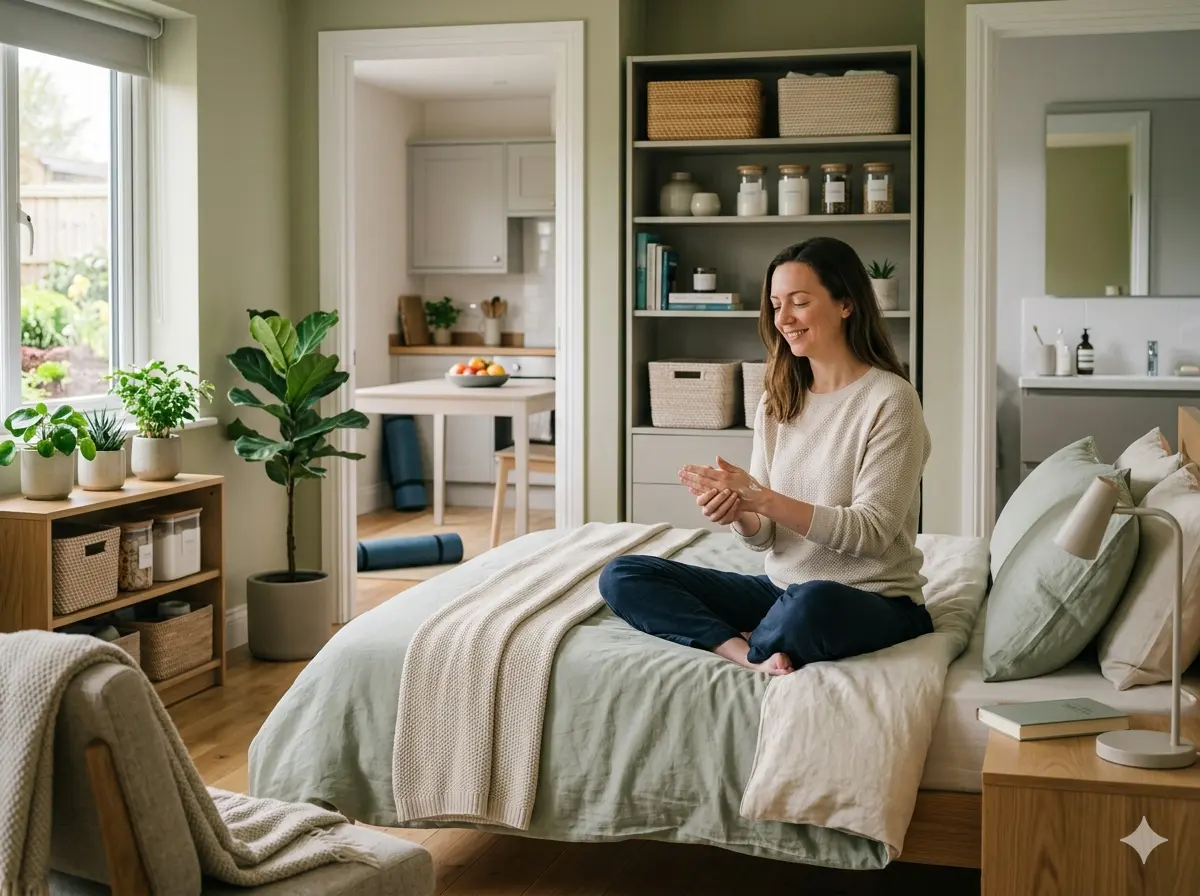
Organised spaces make daily routines smoother, which frees up mental energy for things you care about. And that ripple effect touches more areas of your overall health.
There’s even a physical angle worth noting. Studies suggest people in tidy homes stick to more consistent eating patterns and maintain a healthier diet overall. Whereas cluttered space can influence snacking behaviors.
Decluttering the home benefits surpass a cleaner lounge room. Your emotional well-being, physical health, and ability to cope with daily stress all get a lift when your environment works with you. The connection becomes clearer when you look at the habits and behaviours below:
Better Sleep, Healthier Habits, and Self-care
Visual stressors keep your brain alert when it should be winding down. That’s a common contributor to sleep problems, which people rarely connect to their surroundings.
Even general restlessness at night improves when a room feels calm and clean. And getting a good night’s sleep starts with what your brain sees before it closes its eyes.
A well-organised home also supports healthier daily habits. Constantly searching for lost items creates unnecessary stress and can make mornings feel rushed before they’ve properly begun. With less time hunting for things each morning, you naturally create a space for meaningful personal time that supports both your physical and emotional health.
Healthy Boundaries Start With Your Physical Space
Most people think of healthy boundaries as something you set with other people. Here, decluttering teaches you to make intentional choices about what you allow into your space and your life.
Letting go of items you don’t love or use is a practical way to set healthy boundaries with your own stuff. That habit of choosing quality over quantity gradually lets you avoid unhealthy habits in other areas, too.
Mental Clarity Tips You Can Use Right Now
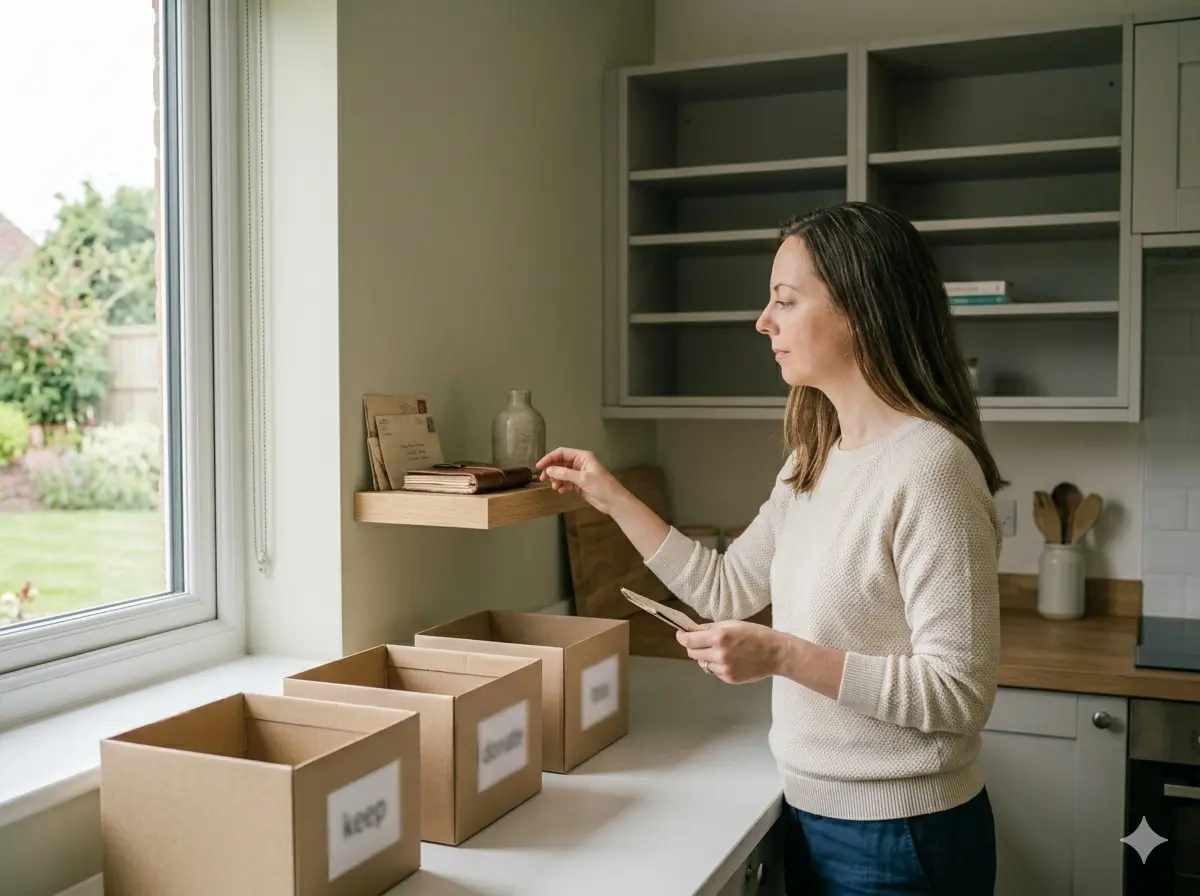
One of the simplest ways to improve mental clarity is to begin with the physical space around you. A few small, consistent actions go a long way in this case.
Take a look at where to begin:
- Start Ridiculously Small: Pick one area, like a bench or a shelf, and clear it out today. Putting even one space in order gives your brain a noticeable sense of control and forward momentum.
- Use a Simple System: A “keep, donate, toss” method makes decisions faster and cuts down on second-guessing. Having a clear process means you spend less time staring at stuff.
- Drop the Perfectionism: Consistency beats perfection every time. A few minutes of tidying daily is enough time to build real mental clarity gains over weeks. Your to-do list doesn’t need a full declutter session on it to make progress.
Small steps done regularly are way more helpful than one big effort every few months. And honestly, once you start, it’s hard to stop.
The Habit of Intentional Living Starts With Decluttering
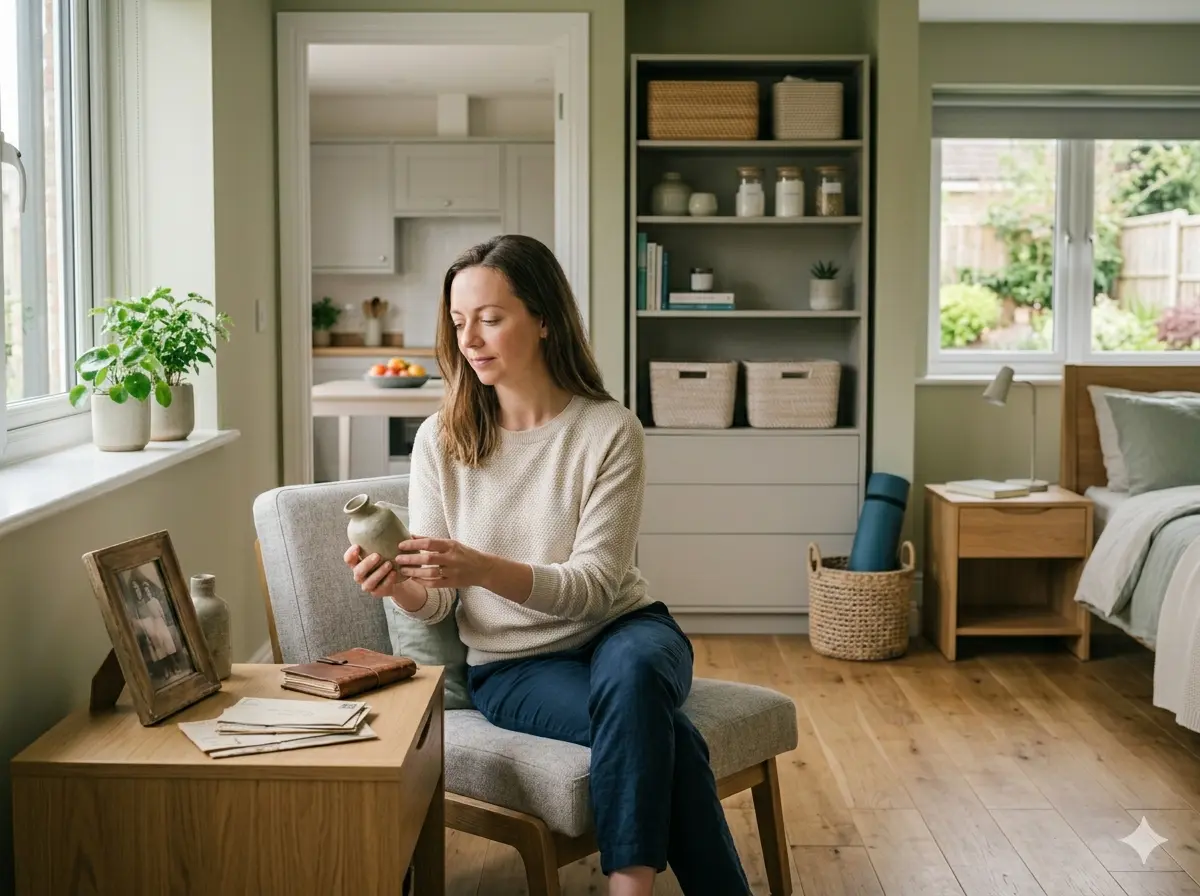
Self-care goes beyond relaxing with a bath or unwinding on the couch. Sometimes, it’s about addressing the source of stress itself. Like sorting through that cluttered drawer or messy corner that’s been bothering you for weeks.
You can ask yourself questions like:
- Do I actually use this?
- Is this helping me or just taking up space?
- Why have I been holding onto it?
- Would I miss it if it were gone?
The process itself is a form of stress relief. And once the clutter is gone, so is a source of low-level tension that may have been building for months.
Bottom Line: When your home supports you, everything else in life feels a bit more manageable and fun.
Avoid Unhealthy Habits: Organised Living Ideas
Anyone who has ever spent 10 minutes hunting for their keys before an early flight already knows what disorganisation can cost. The table below will explain how a cluttered routine compares to an organised one:
| Area | Cluttered Home | Organised Home |
|---|---|---|
| Morning routine | Hunting for items, running late | Everything in place, out the door faster |
| Storage space | Overfull, hard to find things | Clear, easy to access favourite things |
| Mental load | High, constant low-level stress | Lower, more headspace to spend on life |
| Money | Buying duplicates of stuff you own | Knowing what you have, buying only what’s worth keeping |
| Daily energy | Drained by decision fatigue | Freed up for things that actually count |
Small systems like labelled storage and a one-in-one-out rule save time every single day. They take little effort to maintain, which makes them worth keeping long-term.
Your Favourite Things Deserve a Cleaner Home
A clutter-free home removes unnecessary noise that affects your brain chemicals, short-term memory, and overall sense of well-being.
At Run Away Squirrels, we’re all about helping you build a life that feels good to live in. Start with one drawer, shelf, or room, and notice the change.