
Moving house internationally sounds exciting until you’re standing in a foreign supermarket completely lost. Turns out, your brain doesn’t flip a switch the second you land somewhere new.
The real mindset shift happens through tiny moments spread across weeks and months. One day, you’re panicking over which bus to catch, next month you’re giving directions to confused tourists. Nobody warns you about this change before the moving process starts.
This article covers the actual mental changes that happen when you relocate overseas. You’ll learn the moving abroad benefits that change how you think, handle challenges, and see the world differently through everyday struggles and unexpected wins.
Let’s get into it.
Moving Abroad Benefits: What Actually Shifts in Your Head
Moving abroad benefits your mindset by forcing you out of mental autopilot and making you question habits you’ve followed for years. The lifestyle changes feel overwhelming at first, but that’s exactly where the shift begins.
You Start Questioning Your Old Routines
Simple tasks like grocery shopping become puzzling when familiar brands disappear completely. You realise how much of your daily routine ran on autopilot back at your old home when everything suddenly requires conscious thought (who knew finding Vegemite abroad would become a monthly quest).
This forced awareness makes you discover which habits you actually want versus which ones just happened by default. Without the emotional ties to familiar products, you start building a lifestyle that fits who you are now, not who you were three years ago.
Comfort Zone Gets Smaller, Then Disappears
The first weeks in a new place shrink your comfort zone to your apartment, maybe one café, and the route between them only. Each small win, like ordering coffee correctly or finding the post office, expands that zone bit by bit.
Eventually, you stop noticing the zone entirely because discomfort becomes your new baseline, and that’s oddly freeing. The challenges that used to trigger anxiety barely register anymore.
Honestly, your confidence grows even from handling small daily frustrations without loved ones nearby to help. That steady improvement becomes the foundation for every other change you make down the track, because once you trust yourself in small moments, bigger decisions feel less scary.
Building Resilience Without Even Noticing
In our experience with hundreds of relocations, daily frustrations like language barriers or confusing public transport force you to solve problems without your usual support network. The thing is, new experiences push you toward seeking support from community groups or new friendships instead of relying on family back home.
Plus, professional life gets harder when networking starts from scratch, but that’s where growth happens. Six months in, situations that would’ve stressed you out previously barely register as problems worth your mental energy.
Fresh Start or Just Geographic Change?

Most people move overseas expecting a personality upgrade, then wonder why they’re still the same person three months later. In reality, moving abroad doesn’t automatically erase your personality or bad habits just because you swapped postcodes and time zones recently.
Let’s be real here. A fresh start sounds exciting at first, like expecting a blank canvas where life starts perfectly immediately. But that’s just a change of scenery, not actual growth.
Your new environment shifts the moment you land, sure. But your mindset only develops if you actively engage with discomfort instead of recreating home overseas.
So the lifestyle you build depends entirely on whether you’re willing to actually do things differently or just complain about jet lag in a new apartment.
New Environment, New Habits: The Lifestyle Shift
Fresh environments naturally push you toward lifestyle changes by completely removing the infrastructure that supported your old habits. We’ve found through hands-on work that adapting to a different culture forces you to rebuild routines from scratch rather than tweaking what existed before.
Here’s how daily life actually changes:
- Daily Movement Patterns: Exploring your new neighbourhood on foot becomes the norm because public transport runs every 10 minutes and parking costs more than your weekly groceries. You’ll find yourself walking everywhere instead of driving, which increases movement naturally without feeling like forced exercise.
- Eating Habits: Your meals look completely different when local culture differs, and familiar convenience foods vanish from supermarket shelves. Also, small adjustments to portion sizes happen when the country operates on alternate rhythms. You’ll probably eat lighter lunches and later dinners than back home.
- Social Connections: In an unfamiliar city, it’s difficult to maintain casual friendships. Even your workplace feels isolating when you’re starting a job without any existing connections or professional life network. That’s why you should join community groups or social clubs to meet people.
- Sleep and Recovery: Sunlight hour shifts throw off your sleep schedule dramatically. The body clock recalibrates to routines on its own timeline, whether you like it or not. On the plus side, better access to nature or varied work hours creates opportunities for healthy habits you couldn’t maintain before
All these lifestyle changes add up, but here’s what most people overlook. The physical space you occupy plays a more important role than the city itself.
Living Space Changes That Rewire Your Brain
Distinct living spaces force you to rethink what you actually need versus what you’ve been storing out of habit. The shift happens quickly. Moving house internationally strips away excess, and suddenly your home feels like a completely separate world.
If you’re thinking this won’t apply to you, wait. We’ll break down exactly how smaller and alternative layouts change your thinking in this section.
Smaller Spaces, Bigger Perspective
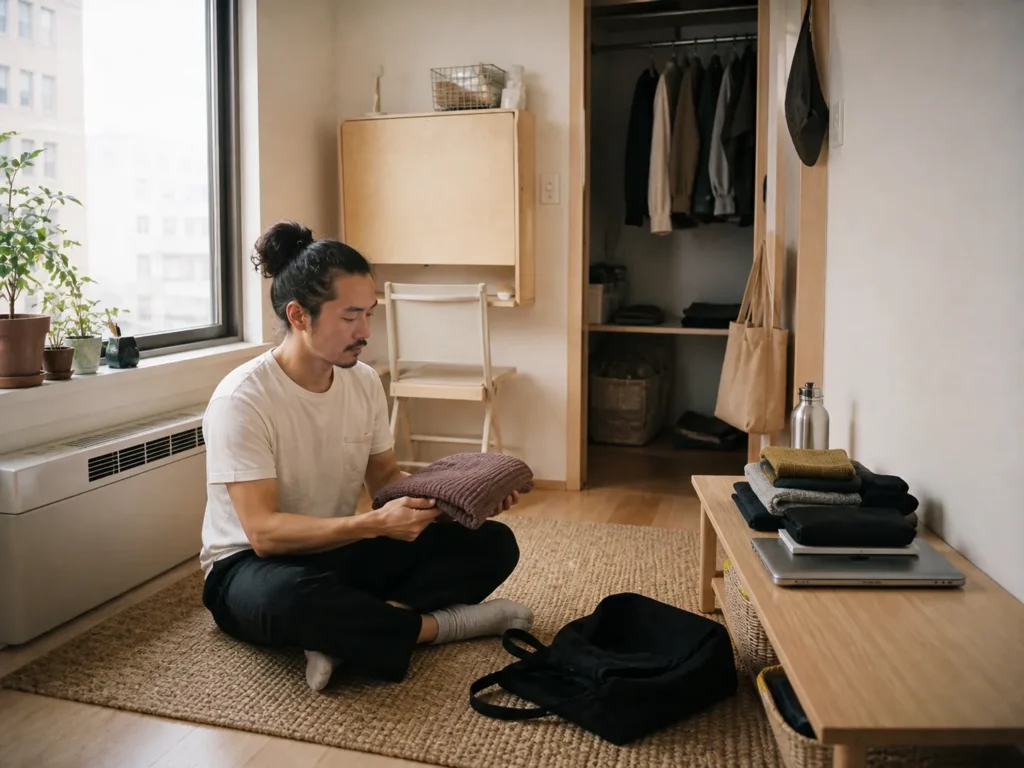
Funny how losing a few square metres makes you care less about owning things and more about experiencing stuff. For example, downsizing from a three-bedroom house to a one-bedroom flat forces you to evaluate what possessions actually serve a purpose compared to your old home.
Limited storage makes you more intentional about purchases because there’s literally nowhere to put impulse buys. Even just a spare room in a share house changes priorities.
The truth is, creating space is more about mental clarity, rather than physical square footage. And surprisingly, the world feels bigger when your flat is smaller.
Different Layouts Force New Routines
Once your living area changes, your daily routines have no choice but to adapt to the setup. For example, no dishwasher means hand-washing becomes meditation time instead of that chore you’d normally ignore until dishes pile up everywhere.
The same goes for cooking. Kitchen setups abroad usually change how you cook and eat because your old meal prep routine doesn’t fit the layout.
Bottom Line: Your to-do list looks different when tasks shift around entirely. These small adjustments to daily routine create habits without you realising it’s happening.
Can Relocation Jump-Start Healthy Habits?
Yes, relocation can jump-start healthy habits, but only if you’re willing to adopt local patterns instead of recreating home.
Think about workout routines. Unfamiliar gyms and workout spaces feel less intimidating when nobody knows your fitness level or past failed attempts at consistency. Want to know the best part? Walking to the market daily instead of weekly supermarket runs increases movement naturally without feeling like forced exercise at all.
Beyond that, portion sizes and meal timing change when you adopt local eating patterns. Countries follow their own rhythms, so you might eat at 2 PM when locals eat at 3 PM, or skip the heavy dinner Australians are used to.
Physical changes are one thing, but mental health shifts happen differently. Relocation removes the usual escape routes, so you’re forced to deal with emotions directly instead of avoiding them. That’s why building a positive mindset requires fresh friendships or community connections instead of the safety nets you had back home.
On top of that, energy levels increase when you stay focused on building one practice at a time, whether that’s a vision board or simple written goals.
New Beginnings vs. New Chapter: What’s the Difference?

A new beginning implies starting from scratch, while a new chapter means continuing your story with different circumstances and lessons learned. However, most people view relocation as a blank canvas where life starts fresh, expecting personal growth to happen automatically.
The distinction between these two mindsets affects everything that follows:
- Wiping the Slate: New beginnings suggest wiping the slate clean completely, which sounds appealing but isn’t realistic or even healthy for growth. You can’t erase your past just by boarding a plane. The journey you’ve had defines who you are now, whether you like it or not.
- Building on Experience: A new chapter acknowledges you’re bringing past experiences with you while writing something distinct, and moving forward from this point. This approach allows actual growth instead of pretending your first 30 years didn’t happen. Some people create a vision board to map out goals for their new life, which helps frame the future intentionally rather than winging it.
- Making It Real: The first step toward building something new happens when you stop trying to become someone completely unrecognisable. Instead, real progress starts when you build on who you already are. That’s when the new chapter becomes genuine, not just wishful thinking about fresh starts that never materialise.
In short, relocation doesn’t erase who you were; it adds to who you’re becoming. Your ability to accept this new chapter depends entirely on realistic expectations about the timeline ahead.
Final Thoughts: Your Mindset Won’t Change Overnight
If you’re expecting instant mindset shifts the moment you land overseas, you’re setting yourself up for disappointment, honestly. The mental adjustments from moving abroad happen in tiny increments over months.
Small changes compound over time, and that steady progress builds the foundation for everything else. Some changes stick permanently while others fade when you return home, and that’s completely normal for anyone who relocates. The journey isn’t about becoming a different person. Real growth happens when you stay focused on daily wins.
Ready to start your next adventure?
At Run Away Squirrels, we help adventurous souls understand the realities of moving and travelling abroad. Our guides cover practical travel tips, cultural insights, and honest advice that make your overseas journey smoother and more rewarding.