Creating order around you changes your daily routine because an organised home cuts stress and saves time every day. Those saved minutes give you more breathing room before the day begins.
Still, almost nobody drifts into mess on purpose. Clutter builds slowly, one envelope and one stray jumper at a time, until the house starts working against you. Run Away Squirrels explores how small changes to a room can affect your daily routine.
This guide covers what order does to your mornings, why mess tires you out, and how to work room by room. You’ll also see which storage habits last past the first big tidy.
An Organised Home Makes Your Whole Day Run Smoother
An organised home makes everyday activities easier to manage, but the benefits aren’t limited to keeping things tidy. The way you arrange your space can influence how your mornings begin, how you feel at home, and which habits become part of your day.
Let’s look at how these changes affect your daily life.
Mornings Feel Easier When Everything Has a Place
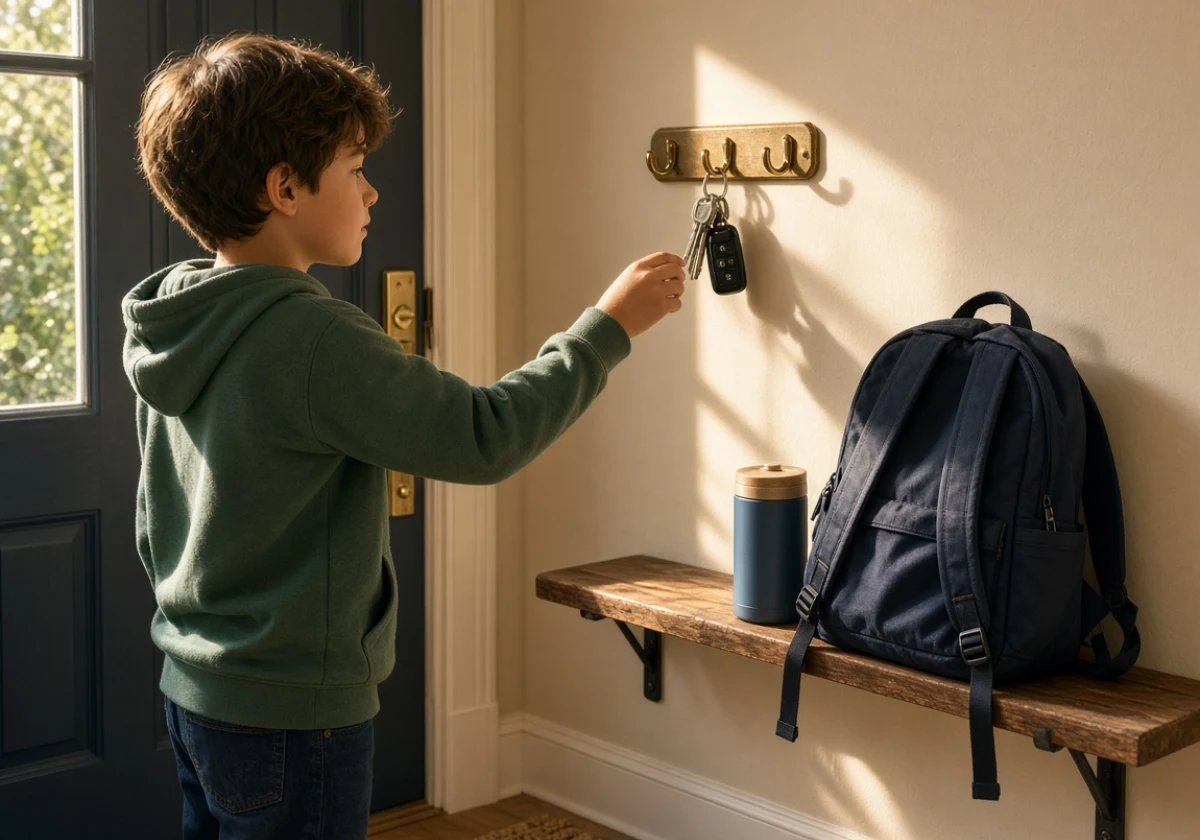
Mornings run on habit, so one missing item breaks the whole chain. If your day starts with a hunt for the car keys, you already know how that goes.
A simple way to avoid the morning scramble is to give them a fixed spot. For example, keep the keys on a hook by the door, and you’ll leave without the frantic bench sweep. Give school bags and shoes their own spots nearby, with a basket for smaller items like wallets and travel cards.
At the end of each day, return everything to its usual spot. For anything unusual, like a permission slip or gym kit, check tomorrow’s schedule before bed. That leaves fewer decisions for the morning, especially when everyone needs to leave at once.
How Lifestyle Organisation Supports Your Wellbeing
When clothes pile up on a chair, and paperwork covers your desk, even easy tasks take extra effort. Your surroundings can also affect how comfortably you settle down at the end of the day.
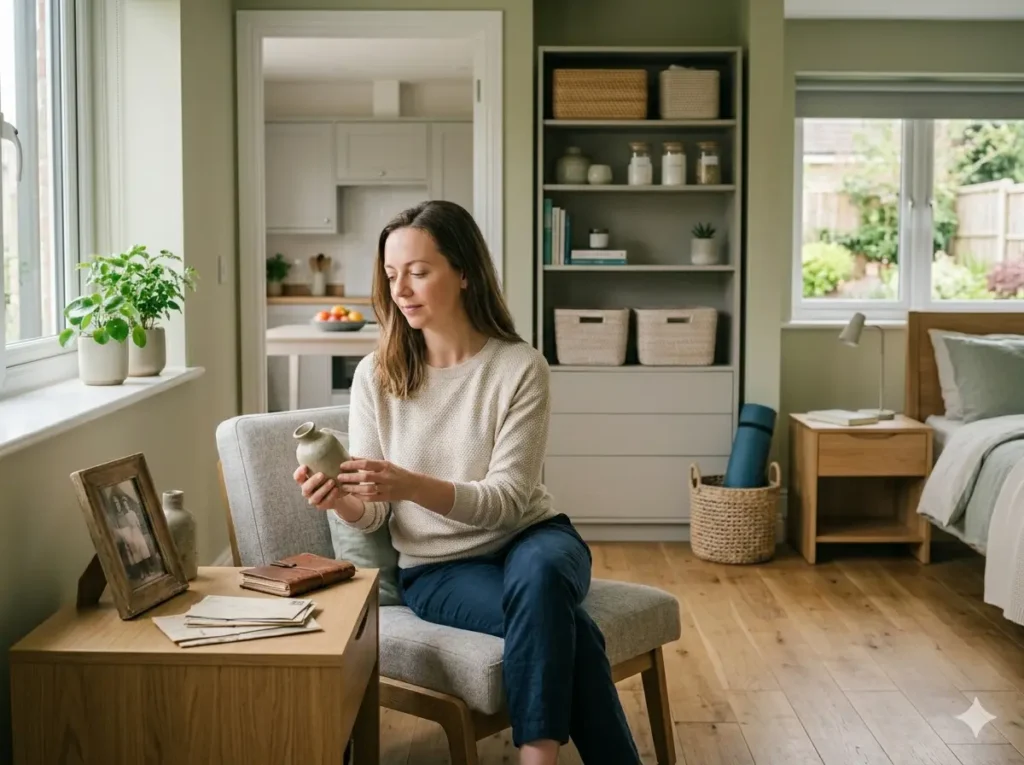
The bedroom is another place where your surroundings affect how you feel. The Sleep Health Foundation recommends a bedroom free of distractions. Keeping your bedside table clear of paperwork, laundry and unused gadgets gives you one less thing to think about before bed.
The bedroom feels calmer, which makes it easier to settle into your usual bedtime routine.
Small Wins That Build Better Daily Routines
Small wins keep things moving long after the first burst of motivation fades. Just 10 minutes spent sorting a junk drawer can give you a result you can see immediately. You can find what you need without rummaging through old receipts, loose batteries and forgotten items.
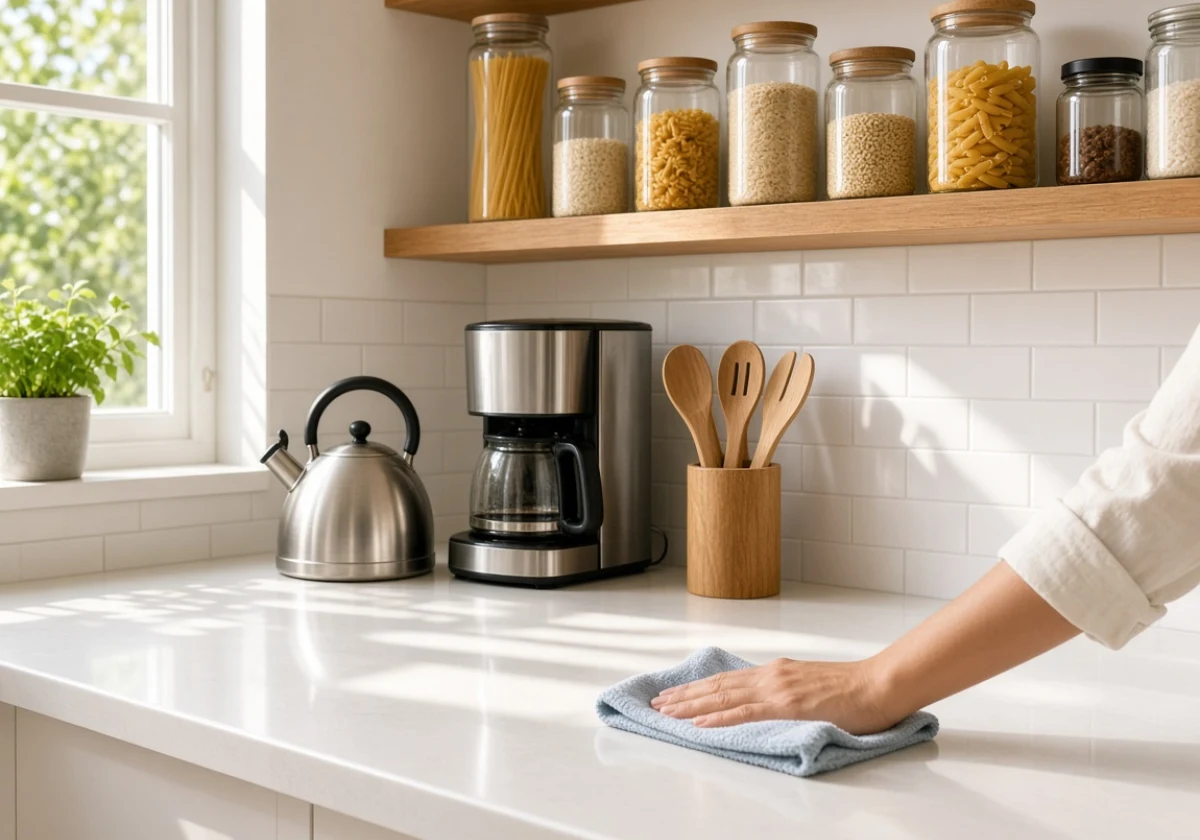
That early progress makes a larger task feel less daunting. Instead of tackling the whole kitchen, you might spend five minutes wiping down the counter after dinner.
As these short tasks become familiar, you start making time for them without planning a big cleaning session.
Why Does Clutter Around the House Drain Your Energy?
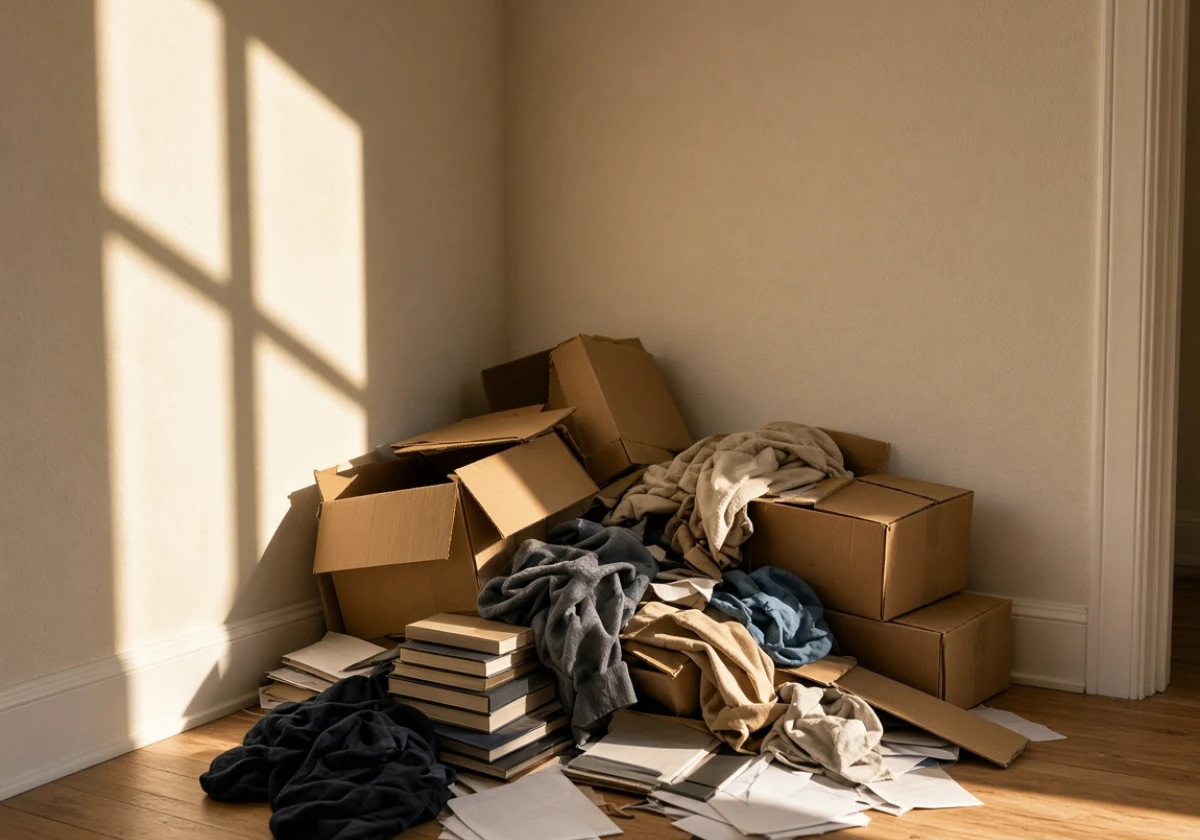
Clutter around the house can drain your energy since every unfinished task demands a little attention. A pile of unopened letters, for example, reminds you of decisions you’ve been putting off.
The decisions themselves can be tiring. A clinical psychologist writing about why decluttering feels stressful explains why deciding which possessions to discard can feel overwhelming. The article draws partly on research into hoarding disorder, where deciding what to keep or discard causes distress.
You don’t need a diagnosis for a milder version of that to reach you (the hallway pile is the usual suspect in our experience). We cover the psychology behind clutter in more depth, and the pattern holds: unsorted items in plain view make simple choices harder.
A practical starting point is to tackle one unfinished pile at a time. Sort through unopened letters, recycle unwanted papers and file important documents. Once you’ve cleared the pile, your dining table or hallway becomes usable again. You can sit down to eat or welcome visitors without clearing clutter first.
Organised Spaces: Simple Ideas for the Kitchen and Beyond
Plenty of people still try to organise their whole home in one weekend and give up by Sunday afternoon. If that sounds like your last attempt, the fix is smaller in scope, not more willpower. Finishing one small space is more useful than starting four, so begin with a room you use every day.
Here are three spaces where a few practical changes can save time and reduce clutter:
- Kitchen Benches: A crowded bench leaves little room for chopping vegetables or preparing meals. Start with appliances you rarely use, like a bread maker, and move them into a cupboard. Your kettle can stay if you use it daily. With the extra space, you can prepare ingredients without constantly shifting things around.
- Laundry Room Shelves: Laundry products often compete for space with baskets and clothes waiting to be washed. You can install shelves above the machine to keep detergent and pegs off the floor. A divided laundry basket also helps you separate whites, colours and delicate items before washing.
- Home Office Setup: Tangled cables and scattered office supplies make it difficult to keep your workspace organised. A cable tray beneath the desk keeps wires together, while a nearby drawer holds spare stationery. Keep only the equipment and documents needed for your current task within reach.
These organisation tips work best when you finish one room before opening the next. Half-done rooms are what make people quit by the second weekend.
Building Storage Habits That Keep a Tidy Home
Storage systems are easier to maintain when they suit the space and the items you use there. From our experience writing about home organising, the most useful storage ideas share one trait: each container has a clear purpose. You know exactly where things belong, without needing to hire home organisers to work it out.
The table below shows how to apply that idea to common storage problems around your home.
| Problem Area | Storage Fix | Why It Holds Up |
|---|---|---|
| Bathroom | Drawer organisers | Toiletries stay separated, which makes daily items easier to reach |
| Pantry | Labelled storage containers | Stock levels stay visible, so you stop buying doubles |
| Wardrobe | Shelf dividers | Folded stacks stay upright, giving easy access to what you need |
Even a useful system needs an occasional check. If a container keeps overflowing or nobody uses a particular shelf, reconsider its purpose or location. Small adjustments help your storage habits keep pace with changes in your household.
Start Small and Get Your Home Organised Today
Your home will change as your schedule, needs and household change. A system that worked last year may need adjusting when life gets busier, or new responsibilities appear.
Pay attention to the spaces that keep causing problems and make changes when your existing setup stops working. There’s no need to follow a perfect routine every day. The aim is to create a home that supports how you live now.
Run Away Squirrels shares practical ideas for everyday living and home organisation. Contact our team if you’d like to discuss where to begin.